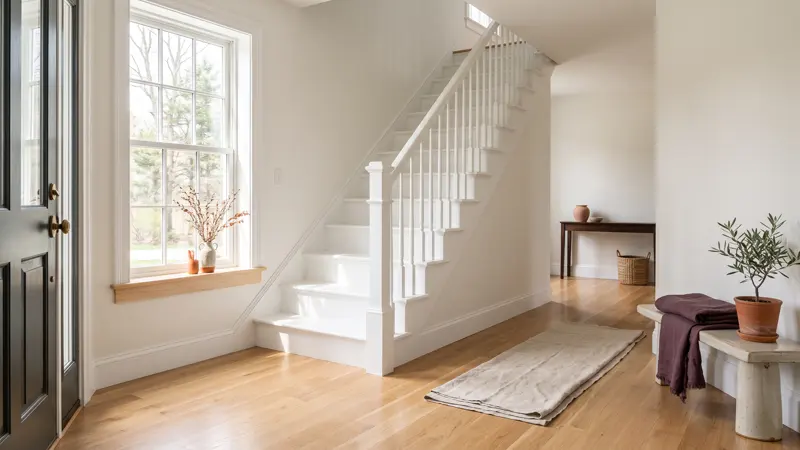
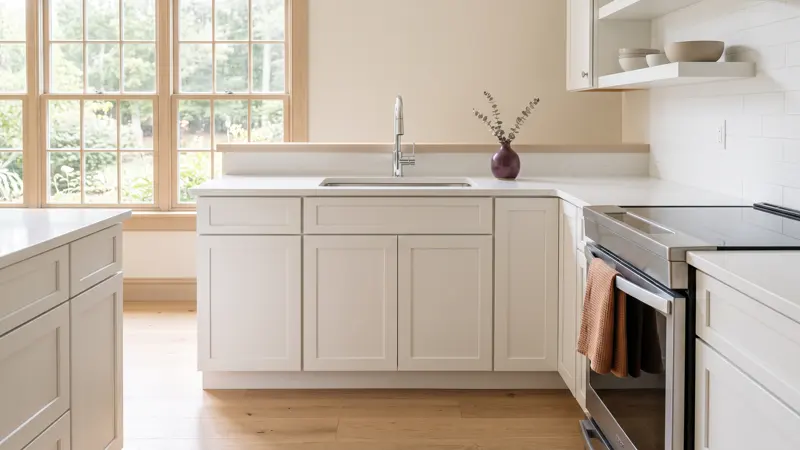
Apartment turnover cleaning is the full reset of a rental unit between tenants: cleaned after one tenant moves out and before the next moves in, while the apartment is empty. It is closer to a move-out and a move-in clean combined than to a routine visit, because the scope reaches everything furniture normally hides.
What is apartment turnover cleaning?
Apartment turnover cleaning is the cleaning stage of a unit turn, the period between one lease ending and the next beginning. Landlords and property managers also call it a unit turn, a make-ready or simply a turn, and the cleaning is one task inside it, alongside repairs, paint and any flooring work.
Two things define it. The unit is empty, so there is no working around furniture, and the result has to satisfy someone who has never seen the apartment before. That second point is what separates a turn from a recurring visit.
Keep the vocabulary straight, too. A short-term rental changeover between guests is a different job, on a different clock, in a furnished unit. This article is about long-term tenancies, which is why it belongs with move-out and move-in cleaning.
What does turnover cleaning include for an apartment?
It includes every surface in an empty unit, from the ceiling line down to the baseboards, plus the places that only exist when the rooms are bare. A typical scope:
| Area | What is cleaned |
|---|---|
| Whole unit | Ceiling corners, light fixtures, fan blades, vents and register covers, switch plates and door hardware |
| Kitchen | Cabinet and drawer fronts, tops and handles; counters and backsplash; sink and faucet; appliance exteriors; inside the microwave |
| Bathrooms | Tub, shower, glass, tile and grout, toilet, vanity, mirrors and fixtures; exhaust fan cover |
| Windows and doors | Interior glass streak-free, frames, sills and tracks vacuumed, then wiped |
| Closets | Shelves, rods and closet floors, where dust settles and stays |
| Baseboards and stairs | Baseboards, stair treads, edges and interior corners dust-free |
| Floors | Vacuumed first, then cleaned by material; carpet vacuumed thoroughly |
| Finish | Fresh bin liners, neutral clean scent, lights off and doors locked |
Four items are normally scoped on their own instead of assumed, and they are the ones that cause disputes when nobody named them: inside cabinets and drawers, inside the refrigerator, inside the oven, and any glass that needs a ladder. Put them in writing when you book, with the same plainness you would want from the other side of the lease.
How long does an apartment turnover take?
The cleaning is usually the shortest part of the turn, and the turn is as long as its slowest trade. Paint needs to dry, a replacement part needs to arrive, and the clean cannot be finished until both are done.
What changes the cleaning time:
- Size and layout — the number of bathrooms and the kitchen's cabinet count matter more than square footage.
- Condition at move-out — a unit left broom-clean is a different job from one left as-is.
- Appliance interiors — the refrigerator and the oven are where most of the hand work hides.
- Flooring type — carpet, tile, vinyl and wood each need a different method, and mixed floors mean more passes.
- Named extras — cabinet interiors, interior glass count, exhaust fans.
One scheduling item is easy to miss in older buildings. If the turn involves paid repairs that disturb paint, the EPA requires that "anyone paid to perform work that disturbs painted surfaces in homes, childcare facilities and preschools built before 1978 be certified and their employees be trained." The EPA notes the rule does not apply to homeowners working on their own pre-1978 home, "however, it does apply if you rent all or part of your home." Lining up a certified firm takes time, so it belongs at the front of the schedule, not the end.
Who pays for cleaning between tenants?
In practice the owner or property manager pays for the turnover clean. Preparing a vacant unit for the market is a cost of owning it, and the work is ordered, scheduled and inspected by the landlord.
Damage is a separate question from cleanliness, and it is the one that needs care. Security-deposit rules, what counts as normal wear and tear, and what a lease may require of a departing tenant are set by state law, differ between New Hampshire and Massachusetts, and change. Check your state's current guidance before you deduct anything.
What can you reach in an empty unit that you cannot reach later?
Everything under and behind the furniture, which is most of what a tenant notices in month one. An empty apartment is the only chance in the lease to clean floors edge to edge, closet shelves, window tracks and the wall behind the refrigerator.
Floors deserve the most attention, because they are also the easiest thing to ruin while rushing a turn. The National Wood Flooring Association describes routine care as "sweeping, dust mopping, or vacuuming using the bare floor setting," and is blunt about equipment: "Don't use wet mops or steam mops, which will damage the finish and the wood over long periods of time." It recommends a cleaner made for the finish on the floor, so note that finish in your unit file once and stop guessing at every turn.
The heating and cooling system is the other empty-unit opportunity. The EPA advises using "the highest efficiency air filter recommended by the manufacturer of your heating and cooling system" and changing filters regularly. If the turn included dusty work, it also advises sealing off supply and return registers and not operating the system "until after cleaning up the dust." Routine duct cleaning is not on the list: the EPA "does not recommend that the air ducts be cleaned routinely, but only as needed."
What should a landlord check in an older New England building?
Moisture first. Vacant units sit with the heat low and the windows shut, which is exactly how a small leak becomes a visible problem between tenants. The EPA advises keeping indoor humidity "below 60 percent (ideally between 30 and 50 percent) relative humidity," and notes that "if wet or damp materials or areas are dried 24-48 hours after a leak or spill happens, in most cases mold will not grow." A turn is the right moment to confirm the bathroom fan actually moves air, since the EPA's everyday advice is to "run the bathroom fan or open the window when showering."
Where there is already growth, the EPA is direct: "the key to mold control is moisture control." Scrub mold off hard surfaces with detergent and water, dry completely, and fix leaks as soon as possible. Absorbent materials such as ceiling tiles and carpet "may have to be thrown away if they become moldy," and a moldy surface should never be painted or caulked over. Above roughly ten square feet, the EPA suggests hiring a contractor.
Then the paperwork that comes with older housing stock. Much of the rental inventory in Methuen and Dracut predates 1978, and for those units the EPA requires that before a lease is signed the landlord give the tenant the "Protect Your Family From Lead in Your Home" pamphlet, disclose all known information about lead-based paint and hazards, provide all available records and reports, include a lead warning statement in the lease, and retain the signed acknowledgments for three years. The rule does not require testing or removal, only disclosure of what is known.
Winter changes the entry, too. A turn finished in February gets salt and slush tracked across clean floors on moving day, so mats belong inside and outside the door before the first trip, and stair treads in a shared entry need a second look.
How Andemora handles an apartment turnover
A turnover between tenants is handled as Move In / Move Out work, because that is what it is: a move-out clean and a move-in clean in one visit, in an empty unit. Every visit follows the Triple-A Standard, so the team arrives on time and uniformed with its own supplies and a message on the way, then works top to bottom and from the back of the unit to the front door.
The scope, stated plainly. Inside the microwave is included. Inside cabinets and pantry organization are arranged separately with you, for an extra fee. Inside the refrigerator and inside the oven are add-ons, quoted by the condition of the appliance. Abrasive products never touch natural stone or wood.
Before we leave, every room is re-checked against the checklist under room light and natural light. Then the lights go off, the doors are locked, and you get a message that the unit is ready. What moves the quote is the same list behind move-in and move-out cleaning cost; for a specific unit, request an estimate.
Frequently asked questions
Is apartment turnover cleaning the same as a deep clean?
They overlap, but the trigger is different. A deep clean resets a home someone is still living in, while a turnover clean is done in an empty unit and has to leave it ready for a stranger to move into.
Should the unit be cleaned before or after repairs and painting?
After. Sanding, patching and painting put dust and spatter on surfaces that were already cleaned, so the clean belongs at the end, once the trades are out.
Does a turnover clean include carpet shampooing or floor refinishing?
No. Carpets are vacuumed and hard floors are cleaned by material, but shampooing, sanding and refinishing are separate trades that should be booked and finished before the clean.
Does a turnover clean cover common hallways and exterior windows?
Not unless they are named in the scope. Shared stairwells and glass that needs a ladder are usually quoted separately, so confirm them rather than assume them.
What is worth photographing at a turnover?
Every room once it is empty and clean, plus appliance interiors, floors, walls and window tracks. Photos taken at a clean, empty baseline are the clearest record of the unit's condition for both the outgoing and incoming tenant.
Sources
- What are the basic mold cleanup steps? · EPA
- A Brief Guide to Mold, Moisture, and Your Home · EPA
- Frequent Questions About the EPA/HUD Real Estate Notification & Disclosure Rule · EPA
- Lead Renovation, Repair and Painting Program · EPA
- Should You Have the Air Ducts in Your Home Cleaned? · EPA
- When and How to Clean and Disinfect Your Home · CDC
- Maintenance · National Wood Flooring Association