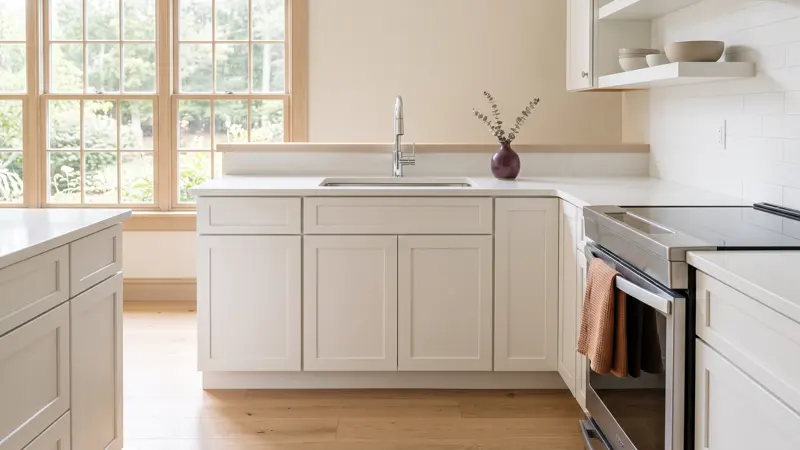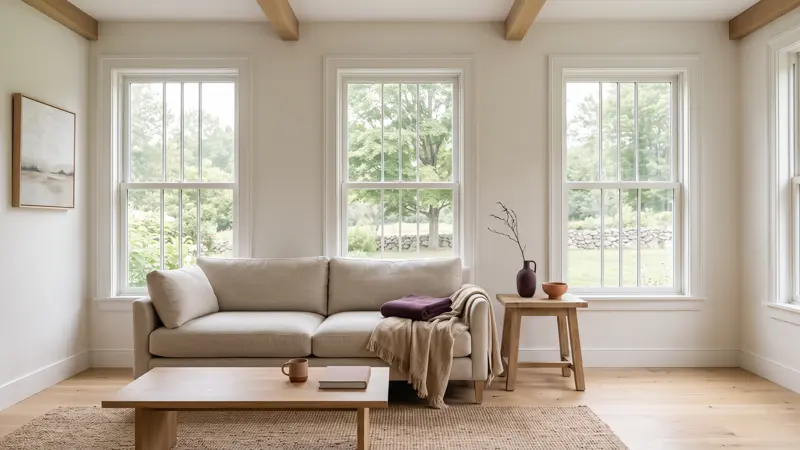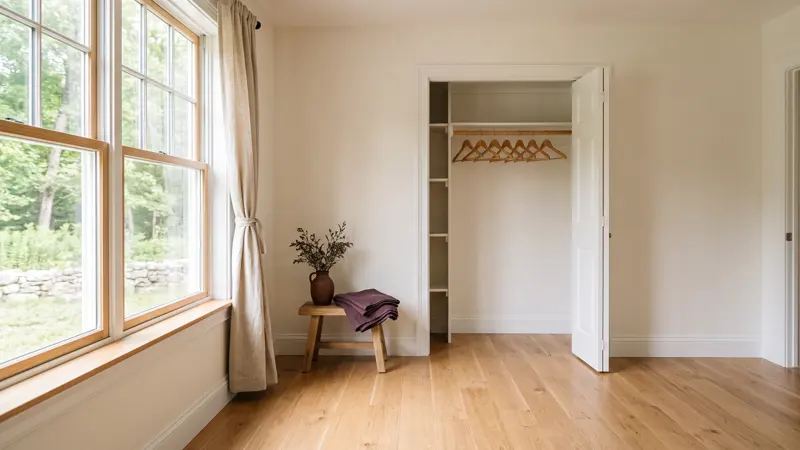

A cleaning checklist before selling your house works in two passes: a full deep clean before the listing photos, then light upkeep between showings. The pre-listing pass covers glass, kitchen and bathrooms, floors, baseboards, light fixtures and cabinet fronts. Buyers read a clean home as a maintained one, so the aim is cared for, not staged.
What belongs on a cleaning checklist before selling a house?
Everything a buyer can see, open or touch, with the kitchen, the bathrooms and the glass getting the most time. The list is longer than a weekly clean because it reaches the places furniture and routine usually hide.
It helps to think in three moments instead of one big push. Before the photos you want the full reset. Between showings you want a 20-minute version you can repeat. On the last day you want an empty home cleaned for the handover.
Decluttering comes first, and it is not cleaning. Clear surfaces and pack what you will not need before anyone starts wiping, because cleaning around stacks of belongings is slow and does not photograph well.
Should you deep clean your house before selling?
Yes, once, before the listing photos go up. The photos are the only version of your home most buyers will ever see, and they get re-used for the whole listing, so that is the visit worth doing thoroughly.
A deep clean reaches what a routine clean skips: baseboards and door frames, inside the window sills and tracks, light fixtures and switch plates, tile grout, the tops of cabinets and appliances, vents and the back of the toilet. What a deep clean of a house includes covers the full scope room by room.
After that, recurring upkeep is enough. Showings happen on short notice, so a repeatable short list beats another full clean you do not have time for.
The pre-listing cleaning checklist, room by room
| Area | What to cover before the photos |
|---|---|
| Kitchen | Counters and backsplash, sink and faucet dried and polished, cabinet fronts and handles, stovetop, microwave inside, appliance exteriors and their sides, the floor along the toe kicks |
| Bathrooms | Tub, shower glass, tile and grout, toilet inside and out, vanity, mirror streak-free under side light, metals dried, exhaust fan cover |
| Living areas | Window glass and sills, baseboards, door frames, switch plates, light fixtures and lampshades, ceiling corners, behind and under furniture, floors |
| Bedrooms | Closet shelves and rods, under the beds, sills and baseboards, mirrors, floors |
| Entry and stairs | Front door inside and out, threshold, stair treads and corners, railings, coat closet |
| Basement, laundry, garage | Cobwebs, utility shelving, washer and dryer exteriors and the floor around them, clear walkways |
| Whole house | Fresh bin liners, vent covers, fingerprints on glass and metal, towels folded the same way |
Two extras are worth deciding on early, because they are normally handled as separate work rather than as part of a standard visit: inside cabinets and the pantry, and the interiors of the refrigerator and the oven. If a buyer is likely to open them, put them on the list before the photos rather than on closing day.
What should you clean before listing photos?
The surfaces that catch light. A camera on a tripod in daylight picks up streaks, dust and fingerprints that the eye walks past every day.
- Window glass, inside. Clean glass changes the light in every wide shot more than anything else on the list.
- Mirrors and shower glass. Check them from the side, not straight on. Side light is what shows streaks.
- Light fixtures, shades and bulbs. Dust on a shade reads as a yellow cast in the photo.
- Faucets, handles and appliance fronts. Dry and polish metal so it reflects instead of spotting.
- Floors last. Vacuum, then wash, then stay off them until the photographer arrives.
- Walk each room twice, once under the room light and once in daylight, standing where the camera will stand.
Natural stone deserves a note of its own here. The Natural Stone Institute warns that products containing lemon, vinegar or other acids may dull or etch calcareous stones, and that scouring powders and creams often contain abrasives that may scratch. It recommends a neutral cleaner, stone soap, or a mild liquid dishwashing detergent and warm water. Etching a counter the week before photos is not a mistake you can undo.
How do you make a house smell clean before a showing?
Remove the source, then ventilate. Covering a smell with a stronger scent is the most common pre-showing mistake, and buyers notice heavy fragrance as fast as they notice odor.
The EPA puts it plainly: usually the most effective way to improve indoor air quality is to eliminate individual sources of pollution or to reduce their emissions. In a house that means the trash, the bins themselves, the refrigerator, the drains, litter boxes, pet bedding, damp towels and gym shoes in the hall closet.
The EPA also recommends increasing ventilation during short-term activities that generate high levels of pollutants, naming painting, paint stripping and cooking among them. So air the house out while you clean and after you cook, not just before the doorbell rings.
Where does cleaning stop and repairs begin?
Cleaning removes dirt. Nail holes, chipped paint, a cracked tile, a worn floorboard and a stained ceiling are repairs or disclosures, and scrubbing will not change them.
Moisture belongs in the second group. The EPA says that if a moldy area is less than about 10 square feet, roughly a 3-foot by 3-foot patch, most people can handle the job themselves, and that cleaning up the mold without fixing the water problem means the problem will most likely come back. Larger areas call for professional guidance.
Humidity is the lever behind most of it. The EPA suggests keeping indoor humidity below 60 percent, ideally between 30 and 50 percent, which matters in a closed-up house waiting for showings.
What should New England sellers know?
Mostly the age of the housing stock. Much of Southern New Hampshire and the Merrimack Valley was built well before 1978, and that brings a legal step that has nothing to do with cleaning but lands in the same week.
Before a contract is signed on most pre-1978 housing, the EPA requires sellers to give buyers the Protect Your Family From Lead In Your Home pamphlet, disclose known information about lead-based paint and its hazards including location and condition, hand over any existing reports, include a lead warning statement in the contract, and allow buyers a 10-day period to conduct a paint inspection or risk assessment. The rule does not require you to test or remove anything. Keep the signed disclosure for three years.
Season shapes the rest. A fall or winter listing brings salt, slush and leaves into the entry at every showing, so the front door, the mat, the threshold and the stair treads are what you reset most often. A spring listing brings pollen back onto sills and glass, which is an argument for cleaning glass close to the photo date.
Cleaning safely in a house you still live in
Pre-listing weeks tempt people to use more product, and stronger product, than usual. The CDC advises reading and following the directions on the label, ensuring good ventilation with a fan or open windows and doors, wearing the recommended gloves or goggles, and not mixing products or chemicals with each other.
That last point matters most when you are moving fast between a bathroom product and a glass cleaner: one product at a time, rinse in between. The CDC also recommends cleaning high-touch surfaces such as light switches, doorknobs and countertops regularly and after visitors have been in your home, which during a listing is simply part of the routine.
Should you hire a cleaning service before selling your house?
It depends on how many weeks you have. If you are painting, packing and coordinating an agent at once, the pre-photo clean is the piece with a fixed deadline and the highest payoff.
Most sellers use two visits: a deep clean before the photos, and a move-out clean once the house is empty. Move-in and move-out cleaning explains the second one. If your floors are the feature of the house, read how to deep clean hardwood floors before anyone brings a mop near them.
How Andemora handles a pre-listing clean
A pre-listing visit at Andemora is a Deep Clean, scheduled against your photo date rather than a weekly slot. Inside the microwave is part of it. Inside cabinets and pantry organization are arranged separately, and refrigerator and oven interiors are add-ons quoted by condition, so the scope is agreed before the day.
Every visit follows the Triple-A Standard. The team arrives on time and uniformed with its own supplies, works top to bottom from the back of the house to the front door, and puts personal items back in their exact place. Then every room is re-checked against the checklist under room light and natural light, which is the same light your photos will be taken in. At lock-up the lights go off, the doors are locked, and you get a message that the home is ready.
If you are listing a home in Southern New Hampshire or the Merrimack Valley, you can request an estimate with your photo date and we will work back from it.
Frequently asked questions
How far ahead of the listing photos should you book a cleaner?
Aim for the day before the shoot, after any painting, repairs or decluttering are finished. Cleaning before the dusty work is done means paying for it twice.
Should you clean inside closets and cabinets before selling?
Buyers open them, so wipe shelves and clear the floor of each closet. Full cabinet and pantry interiors are usually arranged as separate work rather than included in a standard visit.
Do you need to clean the basement and garage before selling?
Yes, at least a sweep, cobweb removal and clear walkways. Inspectors and buyers both go down there, and a tidy basement reads as a dry one.
Should carpets be professionally cleaned before listing?
If they are stained or hold odor, carpet cleaning is specialist work booked on its own and done before the photos, not between showings.
Who cleans the house between the inspection and closing?
The seller usually leaves the home emptied and clean on the last day, which is a separate move-out visit rather than part of the pre-listing clean.
Sources